Marble offcuts as a third landscape
A STUDY IN SURFACES
In brief: Every marble workshop produces offcuts, chips and dust that nobody designed. We catalogue them by origin, size and finish and rework them into new surfaces; the Capri and Le Piazze collections come from here.
Leftovers are a category we invent. The landscape architect Gilles Clément called the abandoned edges of cities and fields the Tiers paysage, the third landscape (2004): spaces nobody plans, where diversity takes refuge. Offcuts work the same way inside a marble workshop. What the production line discards keeps its veining, its history, its quarry; it only lacks a project.
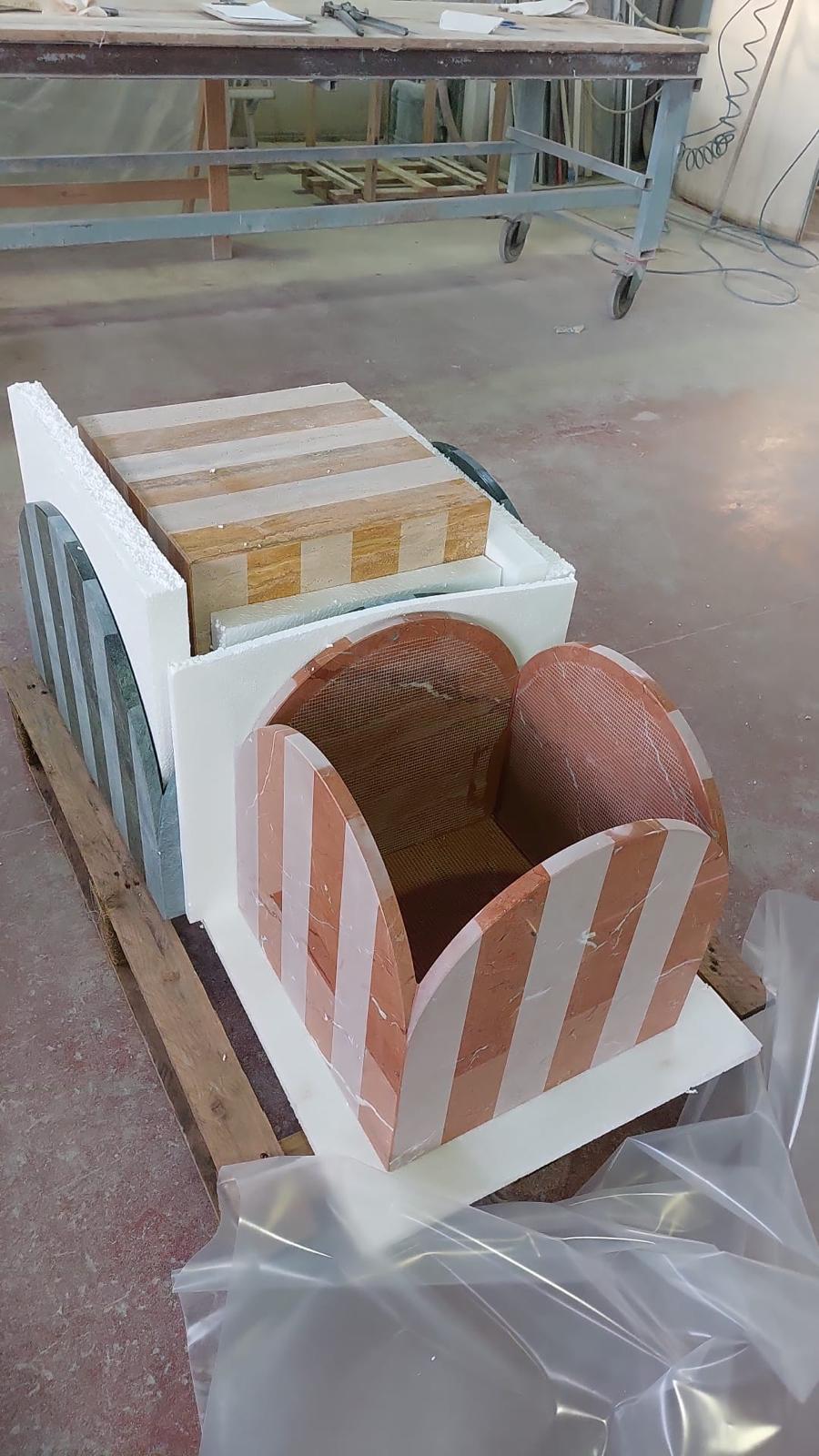
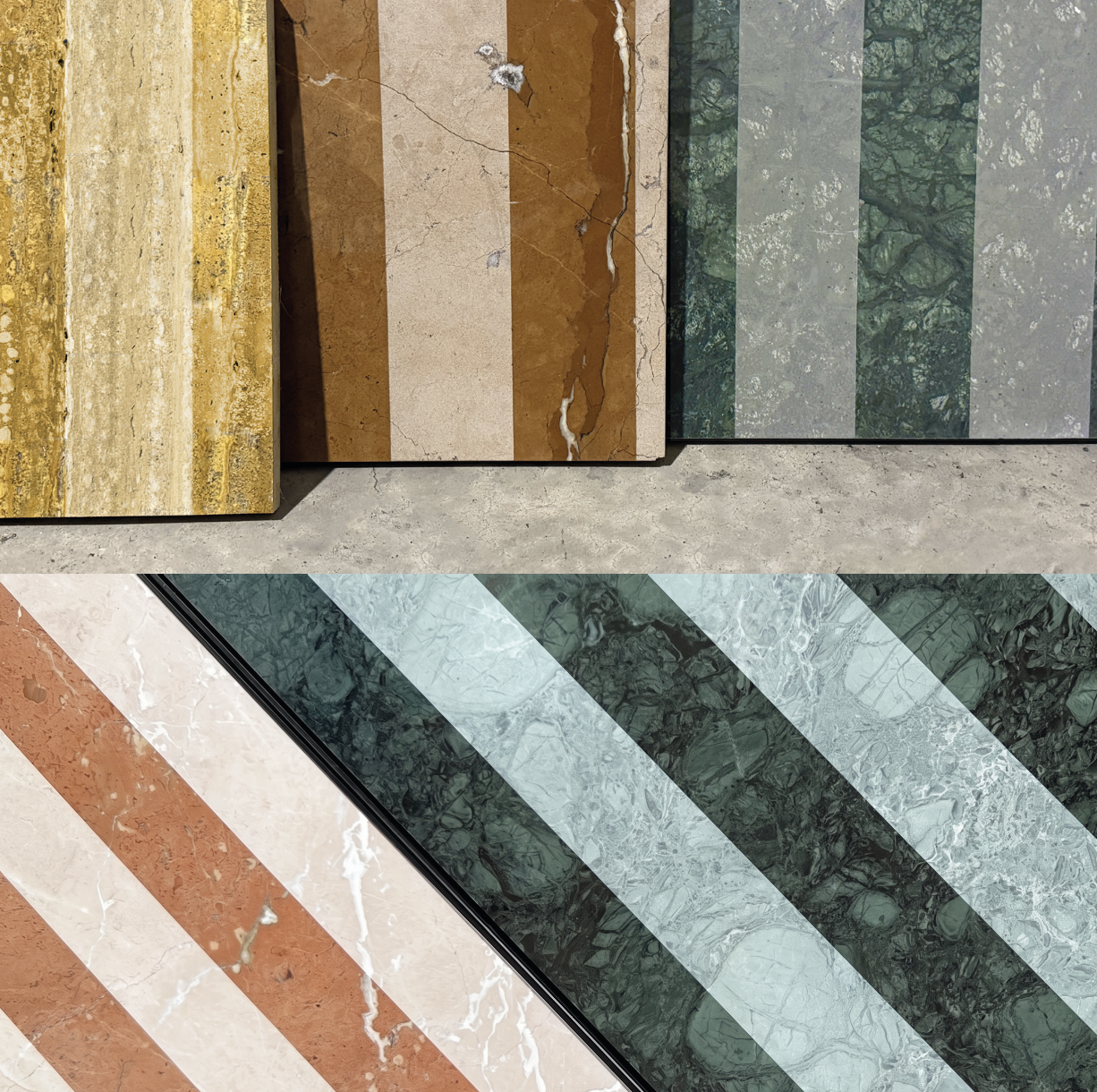
The material. We look at marble as a surface system rather than a luxury slab, focusing on the reuse of offcuts, chips and fines sourced from local fabrication streams. We record how veining, grain size and finishing shape reflectance, tactility, durability and maintenance. Offcuts and residues are reworked through a range of finishes (honed, satin, bead-blasted, brushed, hybrid “window” polishes).
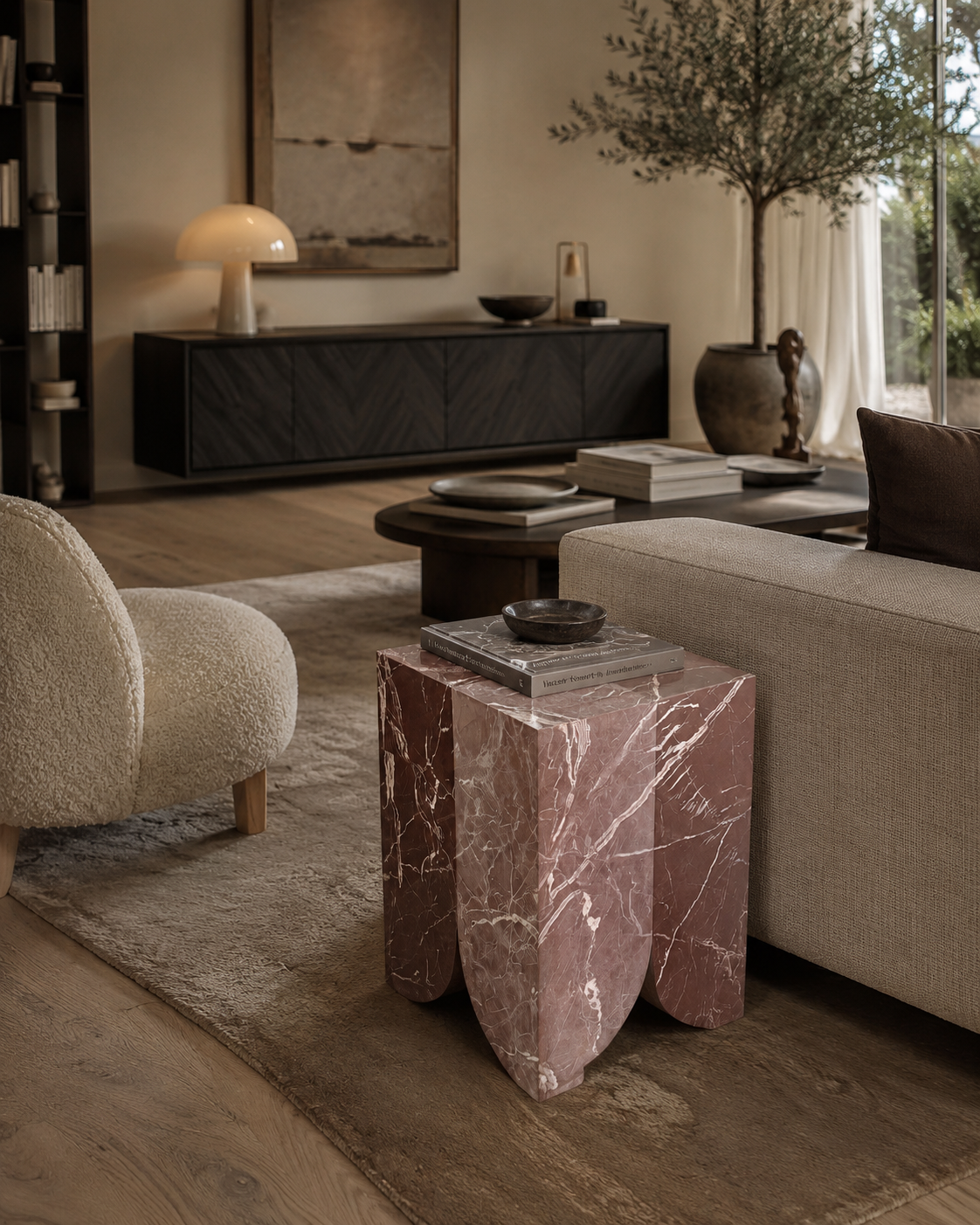
The objects. This work feeds the Capri collection, which includes a modular dining table made of a rectangular or square central section and two semicircular ends. Marble offcuts are used to make unique pieces.
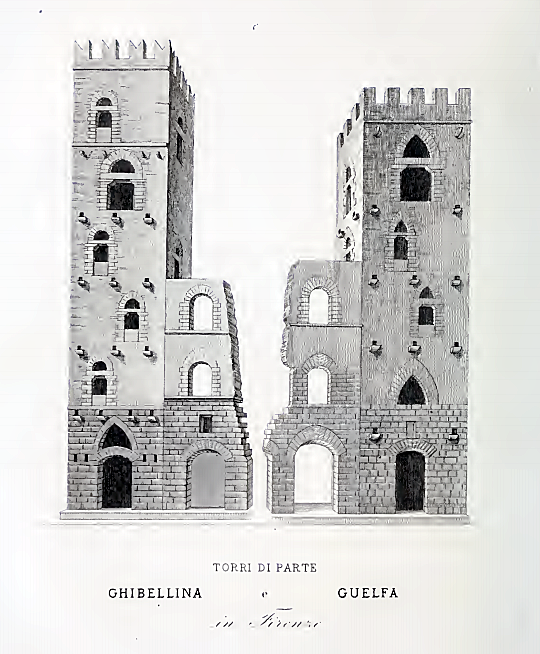
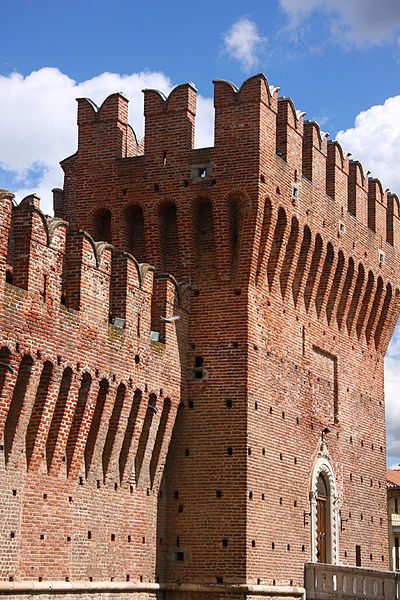
The idea. This collection originates from a reading of Italy as a system of surfaces. Not places, but iconographies and geometries sedimented in collective memory. Geometries, patterns, material densities, elements belonging to architecture and landscape are isolated and recomposed into a domestic scale. They become visual and tactile matrices that persist over time: roots, not nostalgia.
Image: marble leftovers and surface-treatment research for the Capri and Le Piazze table and stool collections.