
Can an ephemeral event leave a cultural legacy greater than its environmental footprint?
CARBON FOOTPRINT OF TEMPORARY DESIGN EVENTS
In brief: The research tests this by treating environmental impact as a design parameter from the earliest stage. It maps supply chains, logistics, visitor mobility, material sourcing and operations in real projects by Elena Pelosi Studio, including Made in Fornace®, Mornings Made in Fornace and work at Oasi Zegna, to measure the footprint of temporary events and develop strategies to reduce it.
This ongoing research investigates the environmental impact of temporary cultural and design events through a series of real-world projects developed by Elena Pelosi Studio.
Often perceived as ephemeral, exhibitions, installations, design weeks and brand activations generate complex systems of production, transportation, energy consumption and material use. The research aims to make these invisible processes visible, measuring their environmental footprint and exploring strategies for reduction and compensation. The reference framework is ISO 20121, the international standard for event sustainability management, first published in 2012 and revised in 2024.
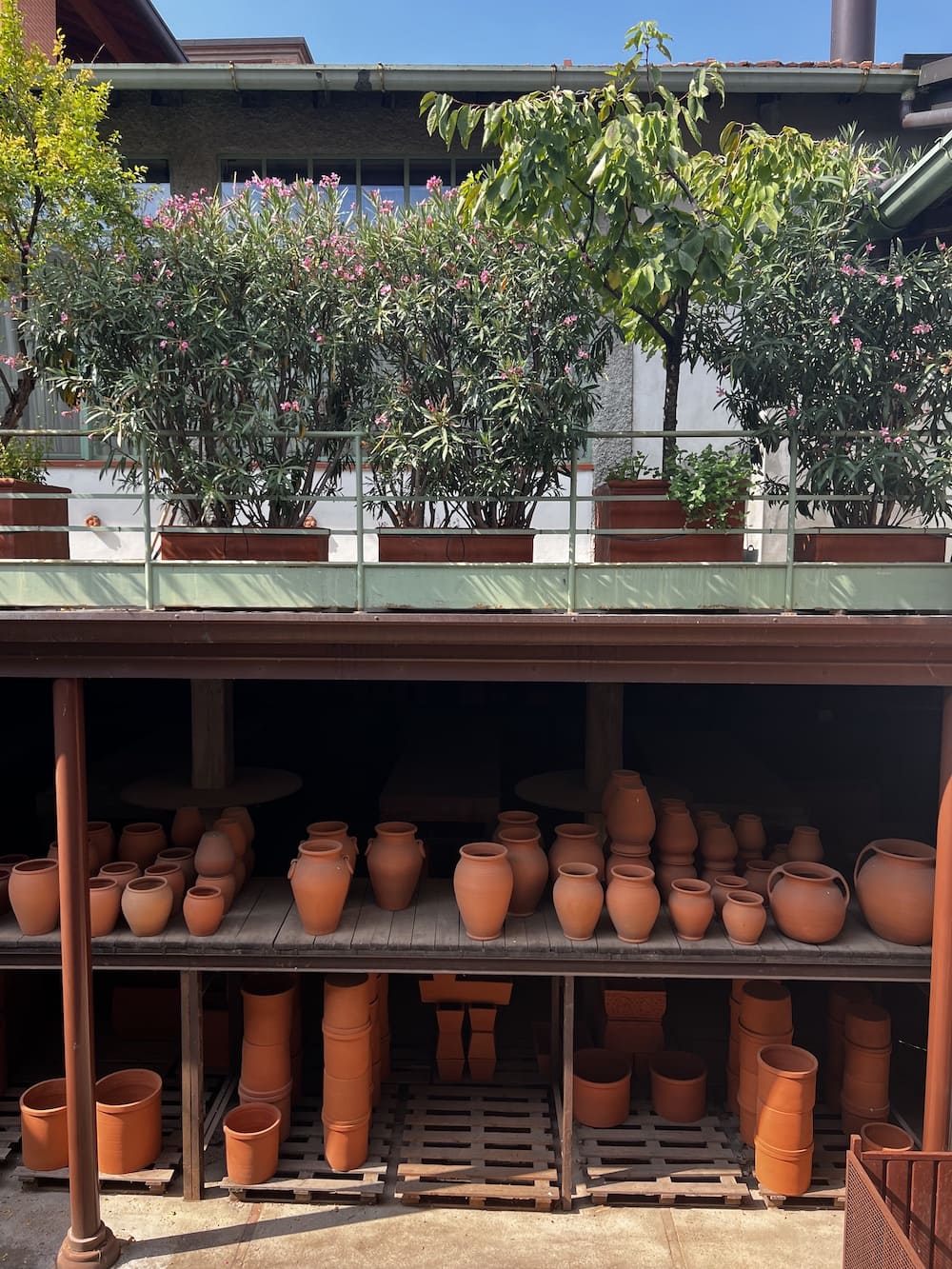
The study was initiated through projects such as Made in Fornace®, Mornings Made in Fornace, and collaborations developed within Oasi Zegna, where questions surrounding landscape, resource consumption, mobility and environmental responsibility became integral to the design process itself.
By mapping supply chains, logistics, visitor mobility, material sourcing and operational requirements, the research seeks to establish practical methodologies for more conscious cultural production. Rather than treating sustainability as an afterthought, environmental impact becomes a design parameter from the earliest stages of conception.
The project ultimately explores how temporary events can generate lasting cultural value while reducing their ecological footprint, proposing new models where creativity, responsibility and landscape exist in dialogue.
SOURCES