How can scent be “inhabited” through ceramics, connecting a space with the body?
CERAMICS AND STONES AS OLFACTORY CARRIERS
In brief: Porous materials such as terracotta, low-fired unglazed ceramics and natural stone can absorb, retain and gradually release fragrance, so that scent becomes part of a space rather than something applied only to the body. HABITARE, designed with 1981 Lab, applies this through a hand-shaped ceramic cap that diffuses the essence slowly into the room.
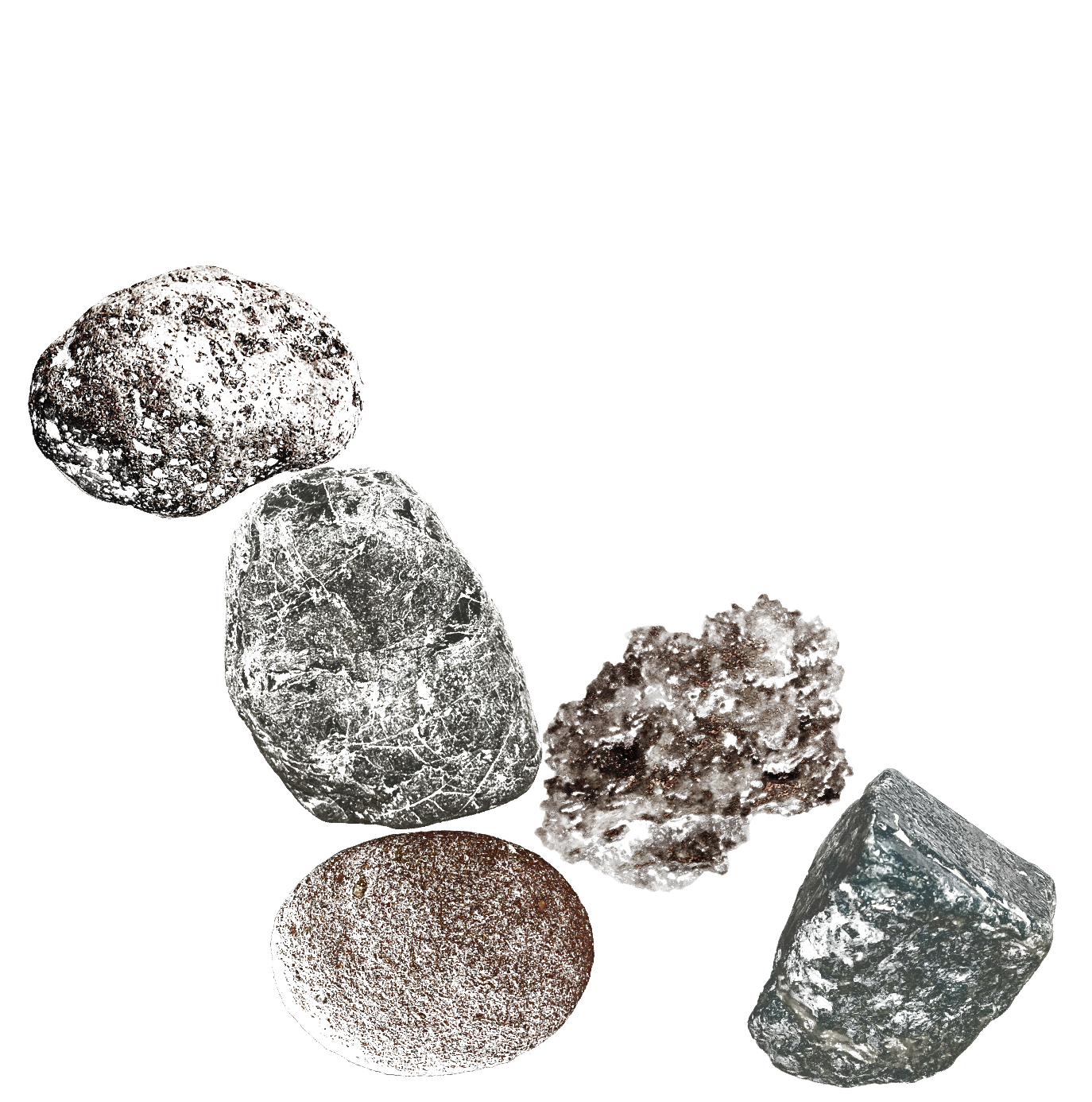
This ongoing research explores how porous materials such as terracotta, low-fired unglazed ceramics and natural stone can function as carriers of fragrance, transforming scent into a spatial and tactile experience. Rather than treating perfume as something applied only to the body, the study investigates how materials absorb, retain and gradually release essences, allowing scent to become part of architecture and everyday rituals.
The research examines the relationship between porosity, surface texture, firing temperature and material composition to understand how different ceramic bodies influence the longevity, intensity and diffusion of fragrance. Firing decides much of it: porcelain is vitrified and absorbs almost no water, at most 0.5% of its weight, while earthenware and terracotta stay open and absorb more than 3%. Through this process, ceramics become active sensory materials, connecting the body, the object and the surrounding space.
HABITARE: A FRAGRANCE DESIGNED TO BE INHABITED
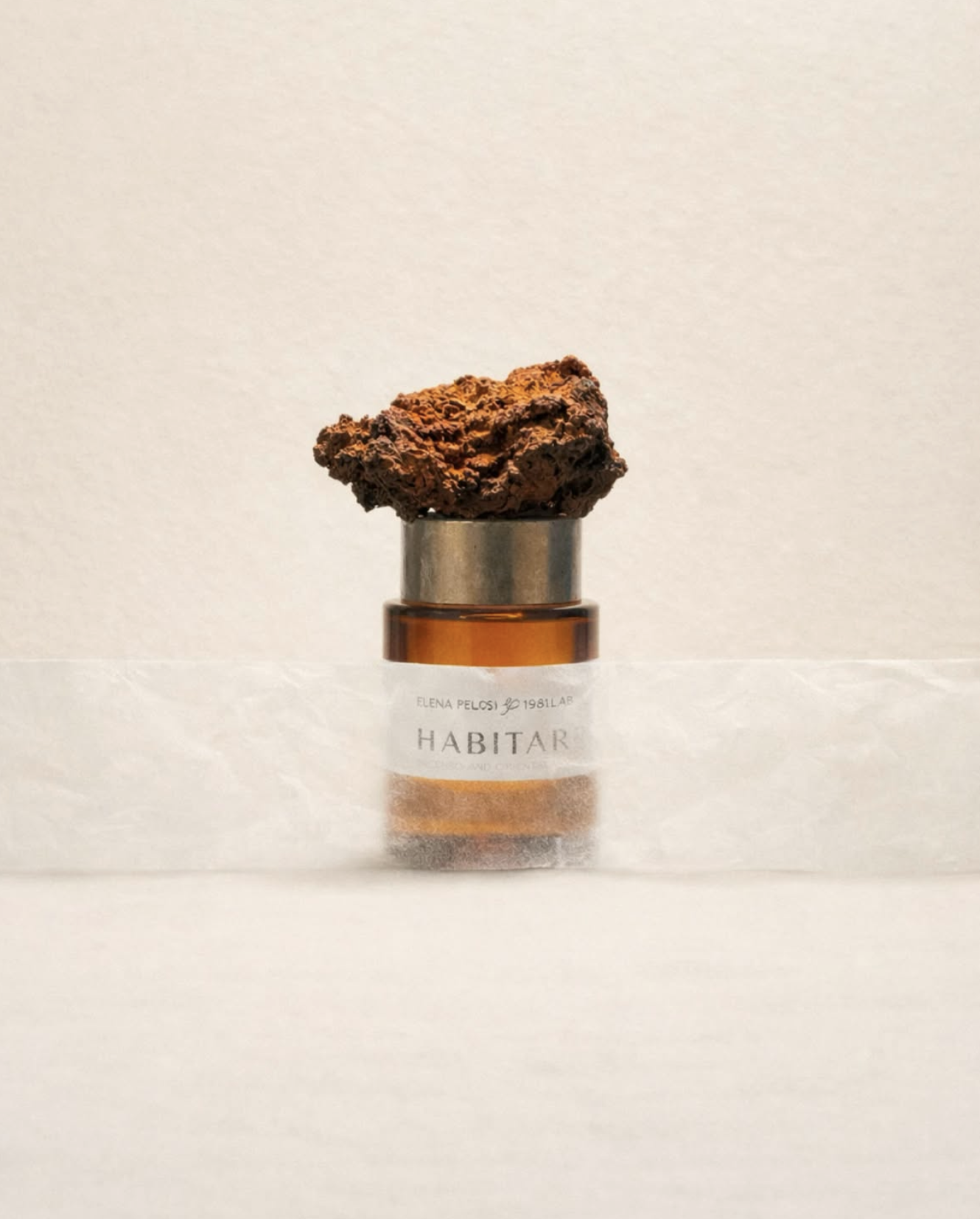
Conceived through the collaboration between Elena Pelosi and 1981 Lab, HABITARE is an olfactory experience that redefines scent as a spatial experience. At the centre of the ritual lies the hand-shaped ceramic cap. With a single drop of essence, the material absorbs, releases and breathes, allowing the fragrance to diffuse slowly, revealing an aroma that is intimate, deep, and enduring. The fragrance becomes part of the space itself, inseparable from the act of living within it.
Design by Elena Pelosi Studio in collaboration with 1981 Lab.
SOURCES