What new aesthetics and ethics emerge when construction waste becomes a primary resource?

RECLAIMING LEFTOVERS TO TRANSFORMATION
In brief: When construction waste becomes a primary resource, debris is treated as an archive: milled into clay and fired, it makes the city’s stratigraphy tactile, and its traces become legible signatures of provenance and process rather than decorative accidents. The approach underlies Urban Remains and the Panta Rei collection.
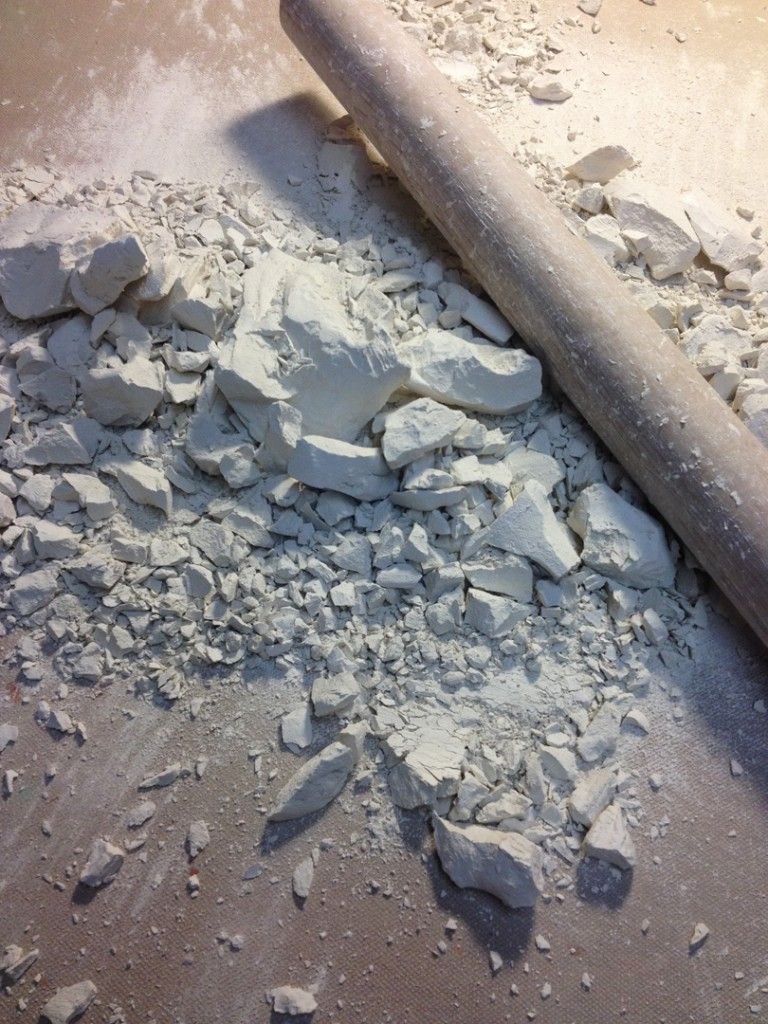
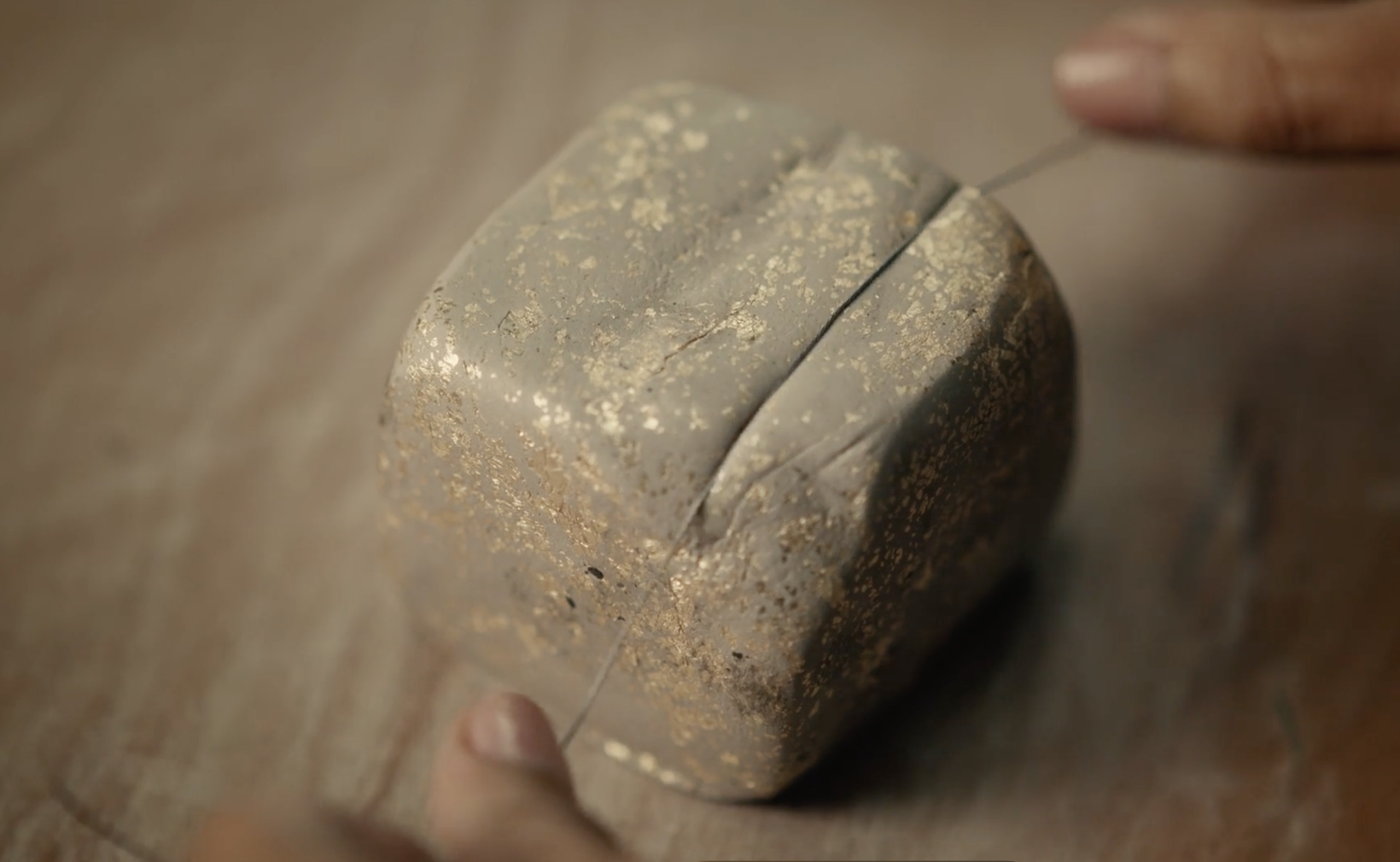
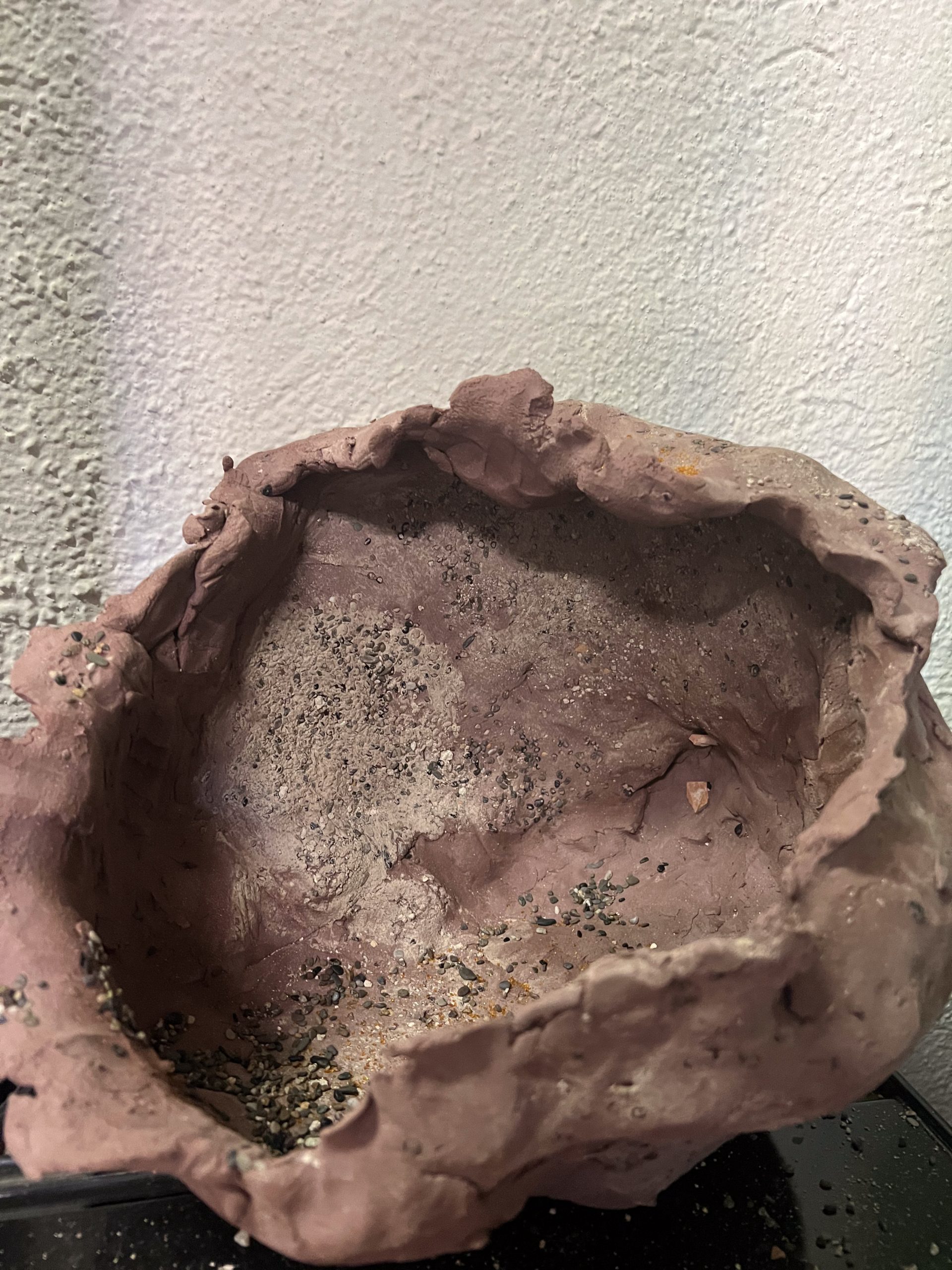
Cities change by accretion and abrasion. Treating debris as archive reframes the ethics of making. A kilogram of “waste” contains stories: construction methods, eras of taste, routes of logistics. When this is mixed into clay, fired, and held, the city’s stratigraphy becomes tactile. Surfaces register multiple temporalities at once: polished marble particulates flash under glaze; terracotta fines mute colour into warm, dusty pinks; concrete grit interrupts the throw to leave micro-faults. These effects are not decorative accidents but the legible signatures of provenance and process.
The material is not marginal. Construction generated about 38% of all waste in the European Union in 2022, according to Eurostat, more than any other activity.
Every piece of rubble holds a story, a fragment of the city’s memory that, when pieced together, forms a new narrative. In Urban Remains, a series of sculptural vases, waste is gathered, sorted, milled and recomposed into stoneware bodies that resemble stones or seeds, compact vessels for future life. The work challenges us to see beyond physical structures and consider the emotional and cultural layers that form the urban fabric.
The studio’s design language carries this research into further collectible pieces, such as the Panta Rei collection of vases and tables crafted from reclaimed clays. Their surfaces reveal stratified chromatic fields where natural oxides dissolve into nuanced greens, white veining, hazelnut, ochre and Siena tones.
The philosopher Henri Lefebvre wrote that “(social) space is a (social) product”. Debris carries that product forward: the record of how a city was built, used and taken apart.
SOURCES
- Eurostat – Waste statistics
- Henri Lefebvre, The Production of Space, trans. Donald Nicholson-Smith, Oxford: Blackwell, 1991, p. 26