How can marble leftovers be reused to create new materials and more responsible practices?
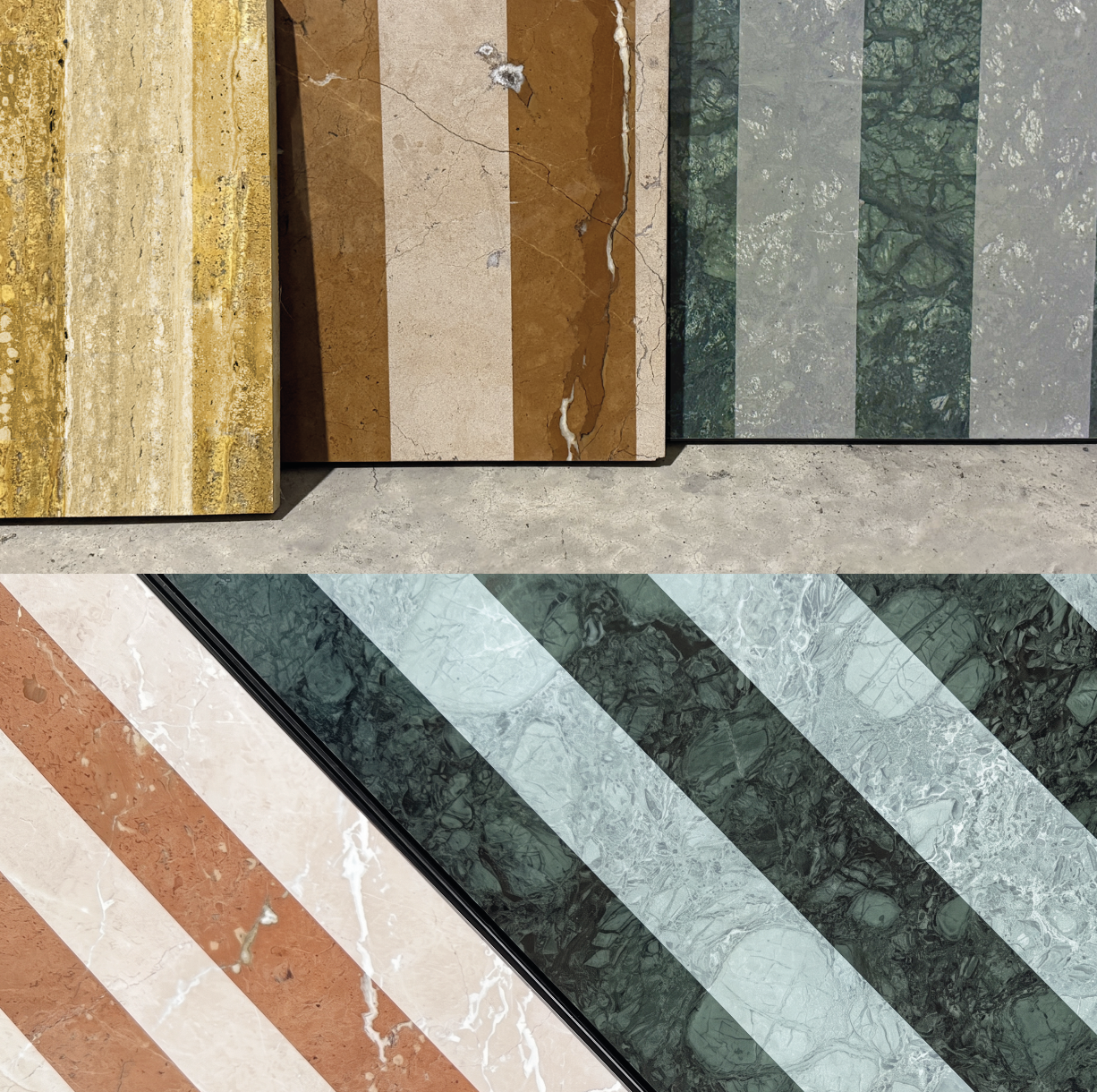
A STUDY IN SURFACES
In brief: Marble leftovers can become new materials when offcuts, chips and fines from local fabrication are catalogued by origin, fraction size and prior finish, then reworked through controlled finishing. The study treats marble as a surface system rather than a luxury slab, and informs the Capri and Atlas collections.
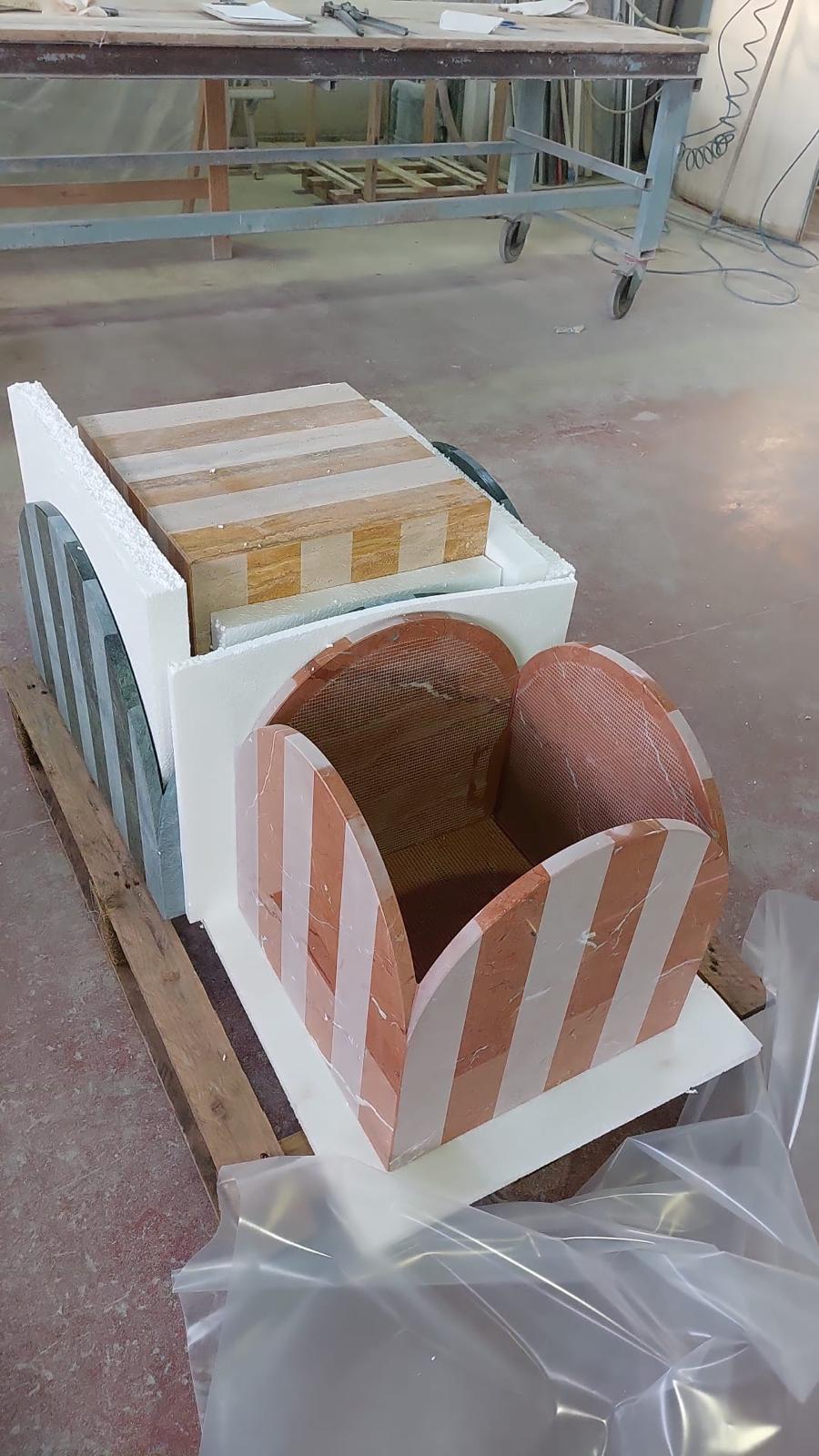
This ongoing study examines marble as a surface system rather than a luxury slab, focusing on the reuse of offcuts, chips and fines sourced from local fabrication streams. The research documents how veining, grain size, and finishing protocols shape reflectance, tactility, durability and maintenance. Marble leftovers are treated as a traceable material flow. Offcuts and residues are catalogued by origin, fraction size and prior finish, then reworked through controlled finishing matrices (honed, satin, bead-blasted, brushed, hybrid “window” polishes).
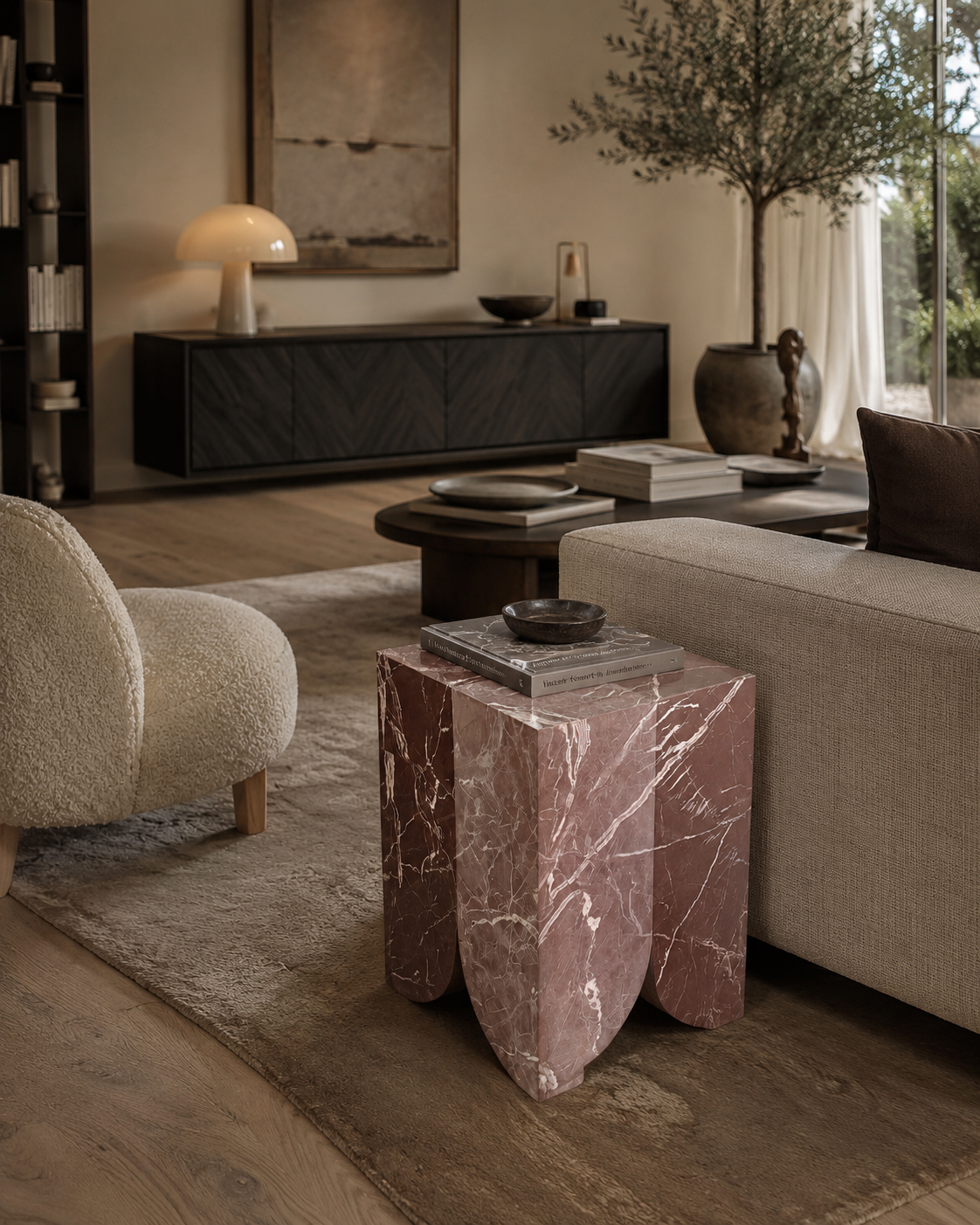
The research informs the Capri collection, which includes a modular dining table made of a rectangular or square central section and two semicircular ends. Discarded and outdated marbles are reused to create unique pieces, promoting the revaluation of raw materials.
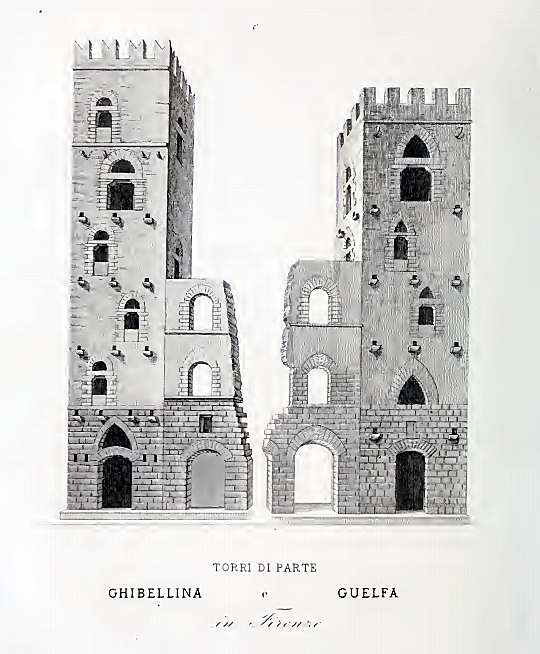
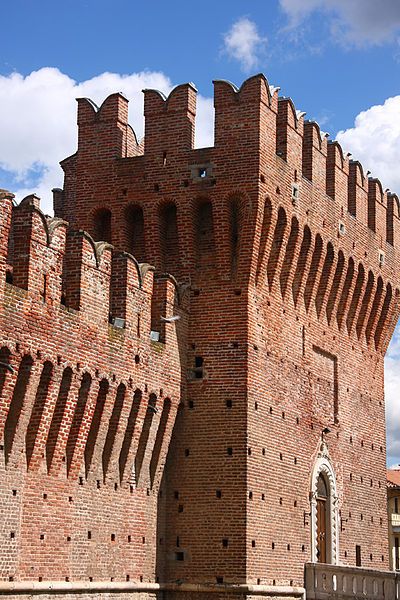
This collection originates from a reading of Italy as a system of surfaces. Not places, but iconographies and geometries sedimented in collective memory. Geometries, patterns, material densities, elements belonging to architecture and landscape are isolated and recomposed into a domestic scale. They become visual and tactile matrices that persist over time: roots, not nostalgia.
Image: marble leftovers and surface-treatment research for the Capri and Atlas table and stool collections.