Can Roman cocciopesto be adapted into a contemporary surface system that meets today’s technical and aesthetic standards?
RESEARCH ON COCCIOPESTO, AN ANCIENT ROMAN TECHNIQUE
In brief: Partly, and the tests are ongoing. Refining aggregate grading and lime–pozzolan ratios, controlling curing and standardising trowel technique turn the Roman mortar of crushed terracotta, lime and pozzolans into a dense, repairable finish that reduces cement use; its slip resistance and moisture tolerance are now being tested. The studio applies it in the Stratigrafica collection.
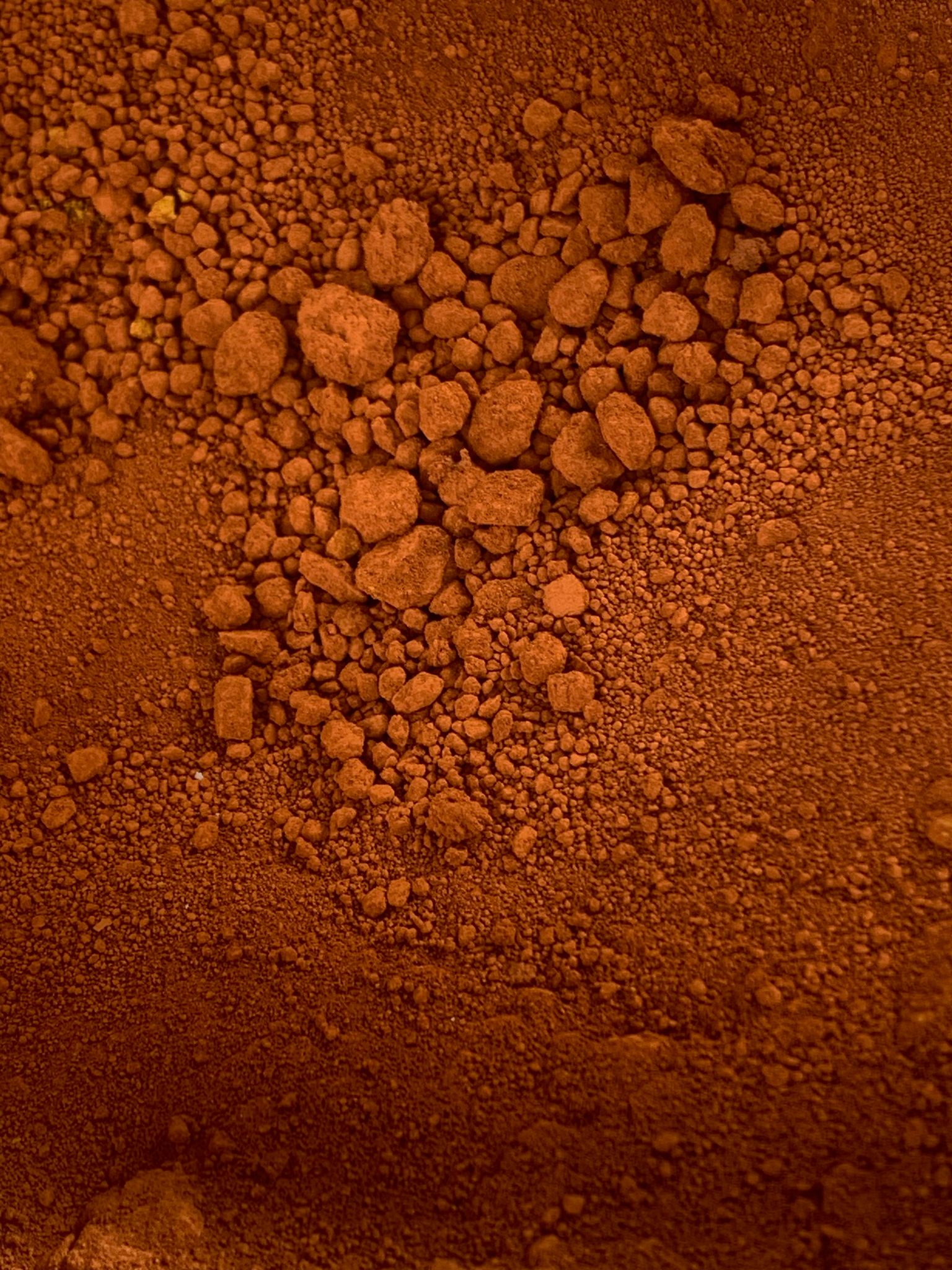
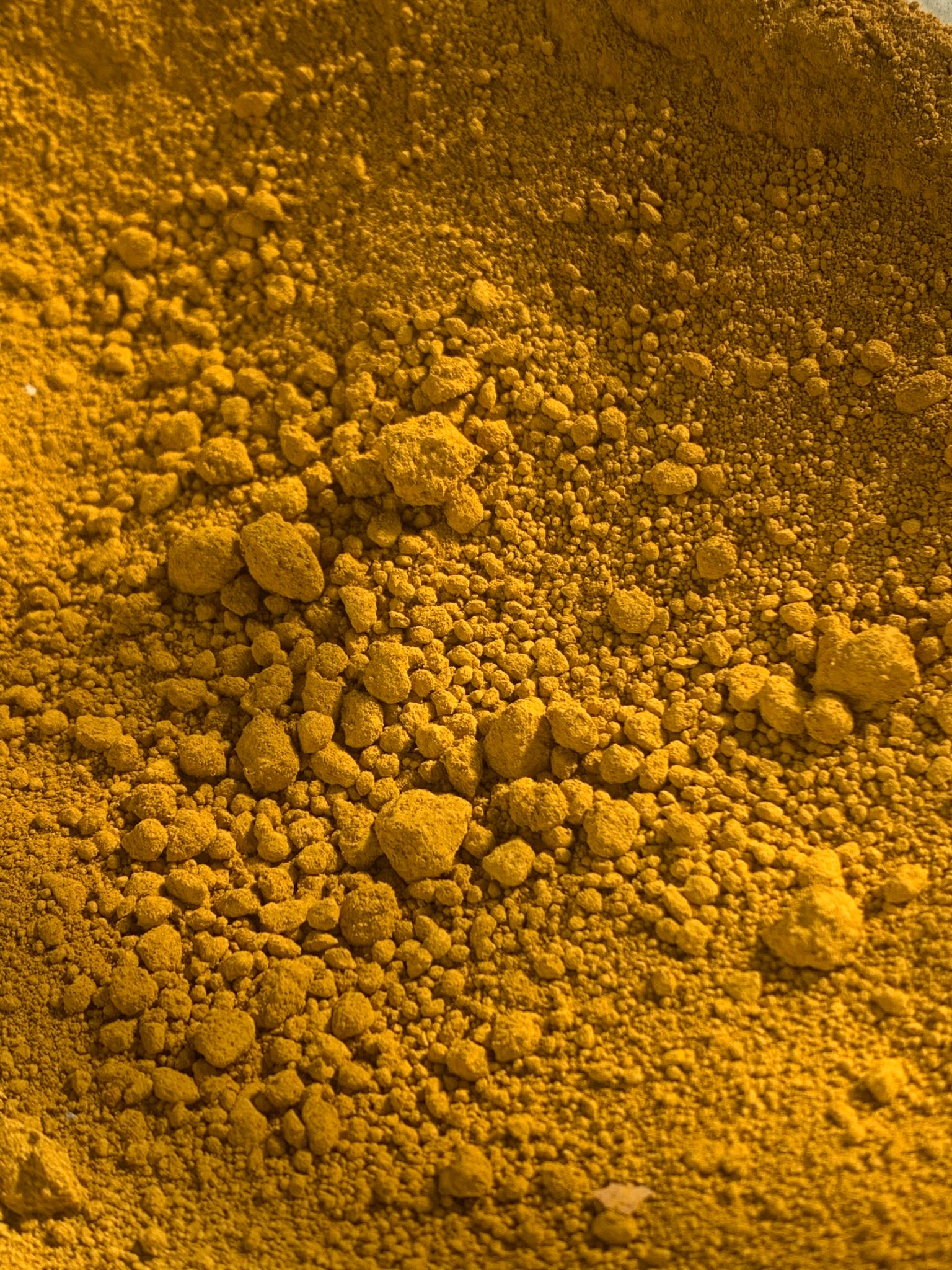
Originating in ancient Rome as a waterproof, breathable mortar made from crushed terracotta (testae), lime and pozzolans for baths, cisterns and pavements, cocciopesto offers a robust precedent.
Recent research supports the interest in lime. In 2023 a team led by MIT found that the white lime clasts in Roman concrete, long dismissed as a sign of careless mixing, act as reservoirs of calcium that can seal cracks, a property linked to mixing with quicklime at high temperature.
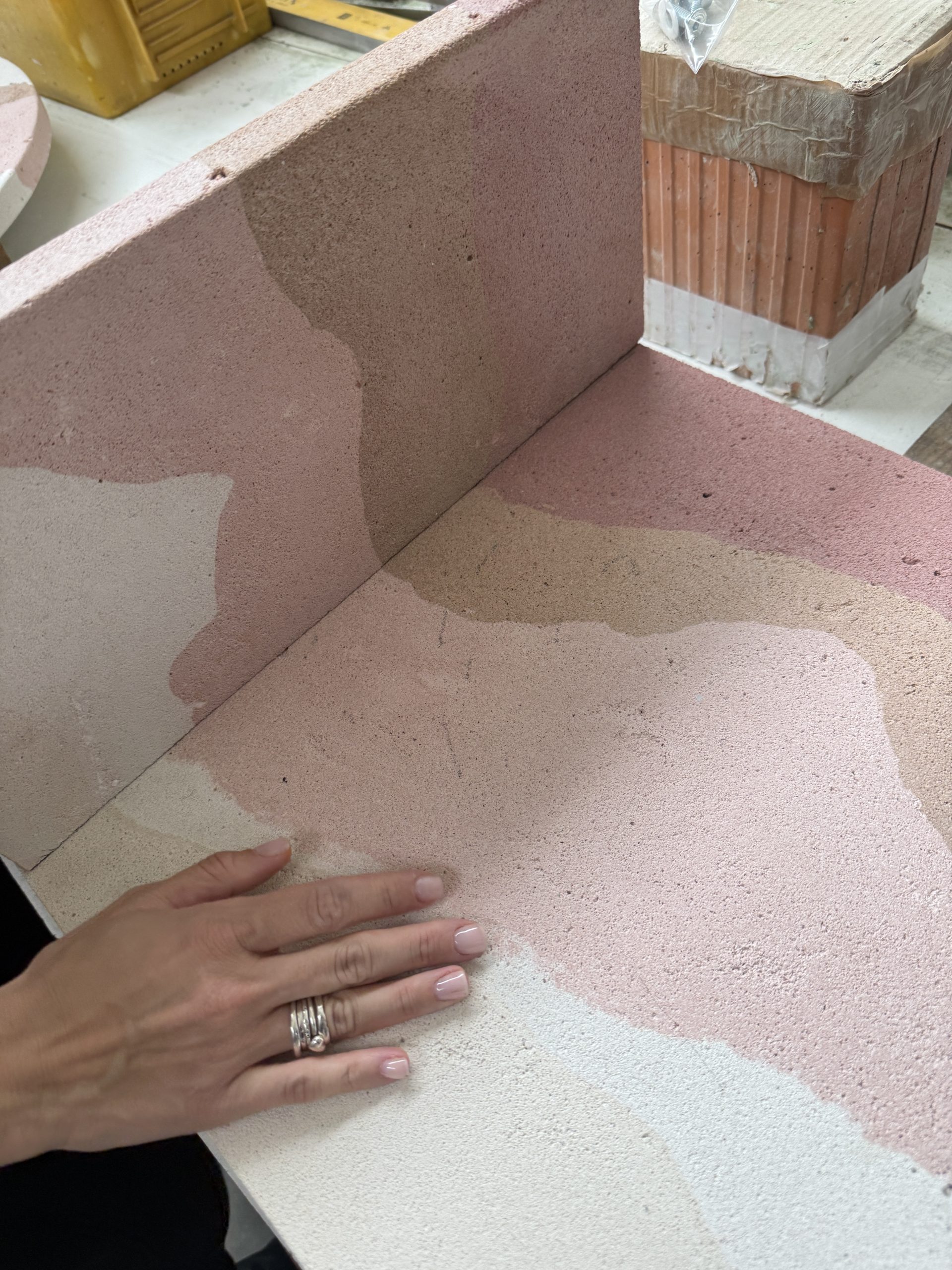
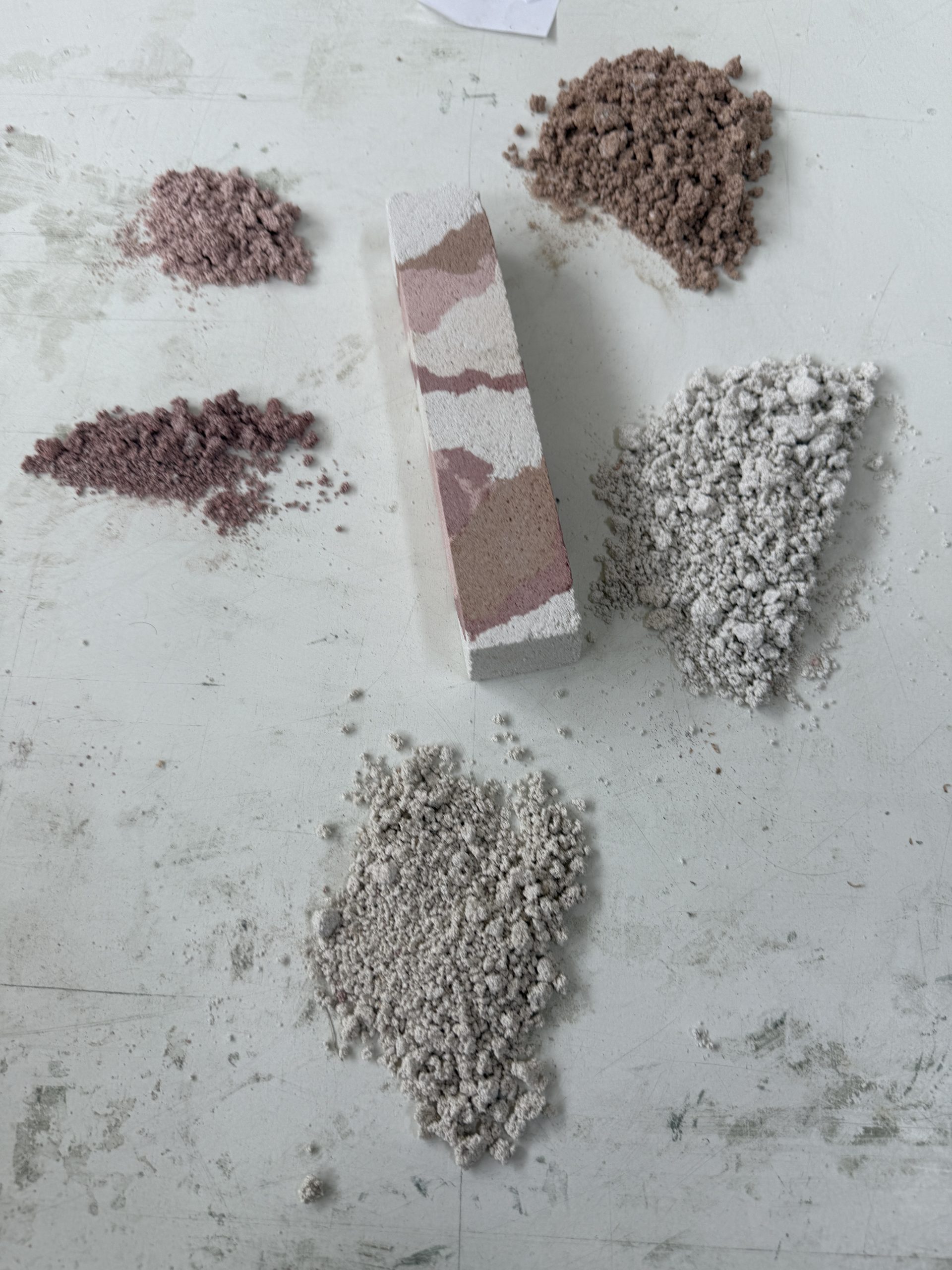
Our research refines aggregate grading and lime–pozzolan ratios, controls curing, and standardises trowel techniques to deliver dense, repairable surfaces; slip resistance and moisture tolerance are being tested before the finish is specified for interiors. The result carries historical continuity, reduces cement use and translates Roman durability into current interiors and stratified surfaces (Stratigrafica) without sacrificing precision or aesthetics.
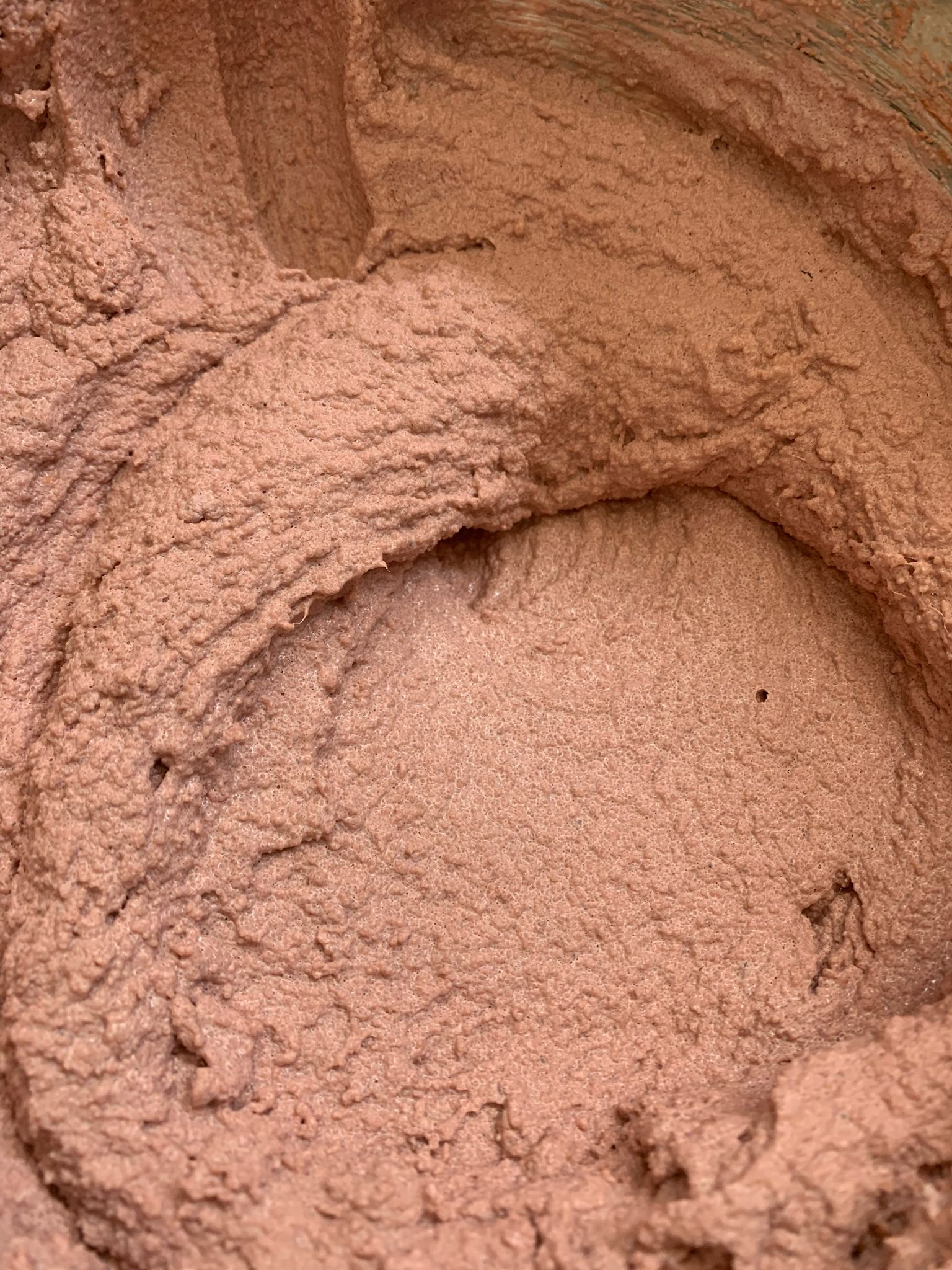
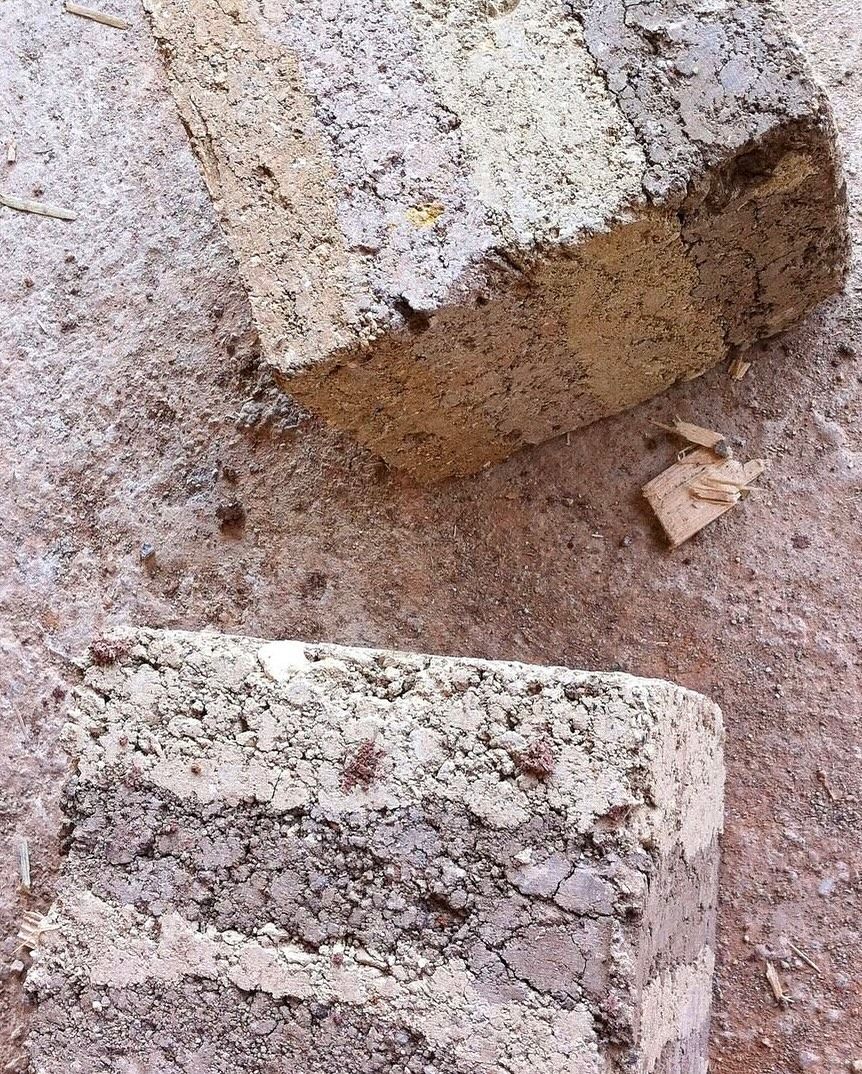
Image: working with cocciopesto. Layered application and controlled trowel finishes produce a refined, stratified texture aligned with the Stratigrafica approach.
SOURCES